Timber Frame Pavilions in Northern Virginia
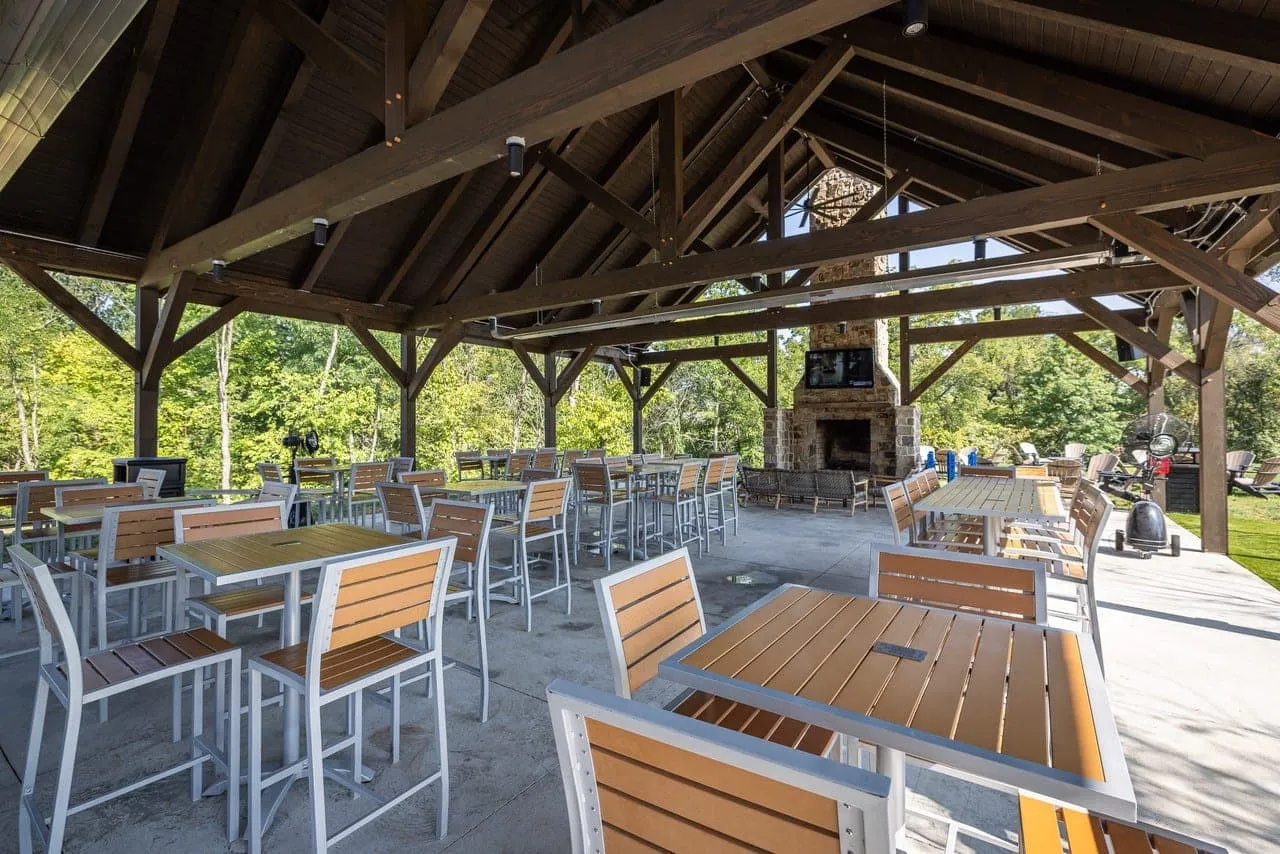
A timber frame pavilion is an open or semi-enclosed outdoor structure built with traditional post-and-beam joinery—providing covered outdoor living space with exposed timber character.
Unlike timber frame homes (full habitation) or barns (enclosed storage), pavilions maximize outdoor connection with roof coverage and optional partial walls—designed for entertaining, events, and seasonal use rather than year-round living or storage.
Best for: Winery venues, wedding/event spaces, pool houses, outdoor kitchens, and estate entertaining areas where open-air ambiance matters more than climate control.
For landowners planning thoughtful, long-term timber frame projects.
What does a timber frame pavilion include?
Our timber frame pavilions are complete design-build projects delivered in partnership with Mid-Atlantic Timber Frame. Every project includes:
Outdoor Living Pavilions
Covered outdoor living spaces for relaxation, dining, and year-round entertaining with full weather protection.
Winery & Tasting Pavilions
Signature structures that enhance the guest experience at wineries, breweries, and distilleries.
Wedding & Event Venues
Beautiful timber frame venues for weddings, receptions, corporate events, and private gatherings.
Pool Houses & Cabanas
Timber frame pool houses with changing rooms, outdoor kitchens, and lounge areas.
Garden Structures
Pergolas, gazebos, outdoor kitchens, and garden retreats with authentic timber frame character.
Who is a timber frame pavilion best for?
Timber frame pavilions work best for property owners who value craftsmanship and want a signature outdoor structure that will last generations.
How much does a timber frame pavilion cost?
Timber frame pavilions in Northern Virginia typically cost:
$75K–$150K
Small Pavilion (200-400 sq ft)
Basic covered structure, open sides
$150K–$300K
Medium Pavilion (400-800 sq ft)
Outdoor kitchen, partial enclosure
$300K–$500K+
Large Pavilion / Event Venue
Full commercial buildout
What drives timber frame pavilion costs?
Size & Span
Larger spans require heavier timbers and more complex engineering
Timber Species
Douglas fir, white oak, and reclaimed timbers vary significantly in cost
Enclosure Level
Open pavilions cost less than partially or fully enclosed structures
Foundation Type
Concrete piers, stem walls, or full foundations affect total cost
Site Preparation
Grading, utilities, and access can add $15,000-50,000+
Finishes & Features
Outdoor kitchens, fireplaces, and lighting add to budget
How long does it take to build a timber frame pavilion?
Most timber frame pavilion projects take 5-9 months from design start to completion. Commercial event venues may take 9-12 months.
Design & Engineering
4-8 weeksConcept development, timber frame design, and structural engineering
Permitting
4-12 weeksBuilding permit, zoning approval, and commercial permits if applicable
Timber Fabrication
6-10 weeksCutting, shaping, and test-fitting all timber components
Foundation Work
2-4 weeksSite preparation, excavation, and foundation construction
Frame Raising
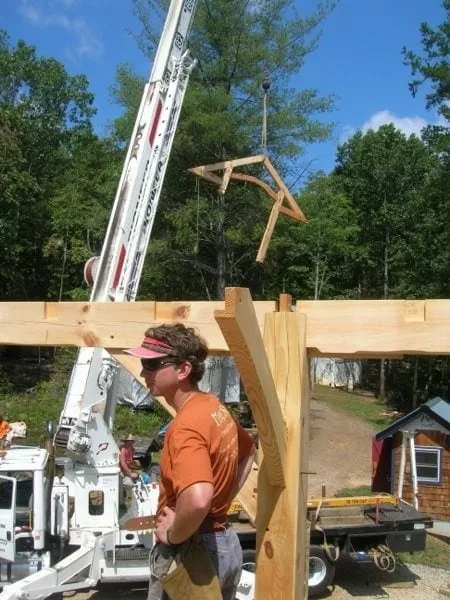
3-7 daysTimber frame assembly and raising (the exciting part!)
Enclosure & Finishes
4-12 weeksRoofing, flooring, electrical, and finish work
How do snow and wind loads affect pavilion design?
Northern Virginia's climate requires engineering for both snow accumulation and high wind events. Open pavilions face different challenges than enclosed structures.
Snow Load Considerations
- • Ground snow: 20-30 psf in Northern Virginia valleys
- • Mountain sites: 30-50 psf above 2,000' elevation
- • Drift zones: Adjacent buildings increase local loads
- • Roof pitch: Steeper pitches shed snow faster
Timber frame connections sized for worst-case accumulation.
Wind Load Considerations
- • Open sides: Reduced uplift but lateral exposure
- • Ridge exposure: Hilltop sites require 20-30% higher ratings
- • Hurricane zone: Coastal influence affects Loudoun/Fauquier
- • Connection hardware: Must resist both uplift and lateral forces
Anchor bolts and post bases engineered for site-specific conditions.
Site Assessment Note:
During feasibility, we evaluate your specific site's exposure, elevation, and microclimate. A pavilion on a protected valley floor may use smaller timbers than the same design on an exposed ridge—affecting both cost and aesthetics.
What's required for event venue pavilions?
Commercial event venues have requirements beyond residential construction. Planning these from the start prevents costly retrofits.
Occupancy Requirements
- • Assembly occupancy permit (A-2 or A-3)
- • Occupant load calculation determines exits
- • ADA-accessible restrooms required
- • Commercial kitchen permits if food prep
- • Fire marshal inspection for 100+ occupancy
Site Requirements
- • Parking: typically 1 space per 3-4 guests
- • Fire lane access for emergency vehicles
- • Potable water (well or public)
- • Septic capacity for event loads
- • Noise ordinance compliance
County-Specific Notes
Loudoun County
Special exception for commercial event use in AR-1/AR-2 zones. Expect 6-12 month approval process.
Fauquier County
Farm winery/brewery events allowed by-right in RA zones. Other venues need special use permit.
What power and lighting considerations apply to pavilions?
Electrical planning affects both aesthetics and functionality. Underground service and strategic outlet placement preserve the timber frame's visual impact.
Electrical Service
- • Residential: 100-200A typical
- • Event venue: 200-400A minimum
- • Underground feed preferred
- • Sub-panel in or near structure
- • Generator receptacle for backup
Lighting Options
- • Uplighting on timbers (dramatic)
- • String lights between purlins
- • Chandelier from king post
- • Landscape lighting around perimeter
- • Dimming for ambiance control
Outlet Placement
- • Floor boxes in concrete slabs
- • Weatherproof outlets at posts
- • Audio/video locations planned
- • Outdoor kitchen circuits
- • GFCI protection throughout
Planning Tip:
Conduit runs should be planned before foundation pour. Adding electrical to a completed timber frame pavilion typically costs 30-50% more than including it in original construction.
What enclosure options are available?
Timber frame pavilions can be built with various enclosure levels to match your climate needs and intended use.
Open Pavilion
- • Roof only, no walls
- • Maximum airflow
- • Lowest cost option
- • Best for: Fair weather entertaining
Partial Enclosure
- • 1-2 solid walls for wind protection
- • Retractable screens optional
- • Extended season use
- • Best for: 3-season entertaining
Full Enclosure
- • Walls with windows/doors
- • HVAC possible
- • Year-round use
- • Best for: Commercial venues
What foundation does a timber frame pavilion need?
The foundation choice affects cost, timeline, and the finished look of your pavilion.
Concrete Piers
Individual footings at each post location. Most economical for smaller pavilions.
Cost: $5,000-$15,000
Stem Wall Foundation
Continuous perimeter wall with interior piers. Good for uneven terrain.
Cost: $15,000-$35,000
Concrete Slab
Full slab with thickened edges at posts. Best for enclosed pavilions.
Cost: $20,000-$50,000
Stone or Masonry
Natural stone or brick for a traditional aesthetic. Premium option.
Cost: $30,000-$75,000+
What permits are needed for a timber frame pavilion?
Permit requirements vary by county, structure size, and intended use. We handle all permitting as part of our design-build service.
Residential Pavilions
- Building permit (structural review)
- Zoning approval and setback verification
- Electrical permit if wired
- HOA approval if applicable
Commercial/Event Venues
- All residential permits plus...
- Commercial building plan review
- Fire marshal approval
- Health department (if food service)
- Special use permit for events
What mistakes should I avoid with timber frame pavilions?
Undersizing the structure
Solution: Plan for 20% more space than you think you need for gatherings
Ignoring wind exposure
Solution: Design for your specific site's wind patterns and weather
Skipping electrical planning
Solution: Plan for lighting, outlets, and audio/video from day one
Poor drainage design
Solution: Engineer proper grading and drainage around the pavilion
Inadequate foundation
Solution: Invest in proper footings for timber frame weight and weather
How do I start a timber frame pavilion project?
Share Your Vision
Tell us about your property, intended use, and design preferences
Site Assessment
We visit your property to evaluate the site and discuss options
Design & Proposal
Receive concept designs, timeline, and detailed cost proposal
Timber Frame Construction in Other Counties
We also serve these core Virginia markets
Ready to Build Your Timber Frame Pavilion?
Let's discuss your vision for outdoor entertaining and events in Northern Virginia.
