TL;DR
Timber frame uses traditional mortise-and-tenon wood joinery secured with wooden pegs. Post-and-beam uses metal fasteners. Timber frame costs more but offers superior craftsmanship and longevity.
Key Takeaways
- True timber frame uses mortise-and-tenon joinery with wooden pegs—no metal fasteners
- Post-and-beam relies on steel plates, brackets, and bolts for connections
- Timber frames are shop-fabricated and precision-cut before delivery
- Post-and-beam is often field-fabricated, reducing cost but also craftsmanship
- Choose timber frame for legacy structures where exposed joinery is a feature
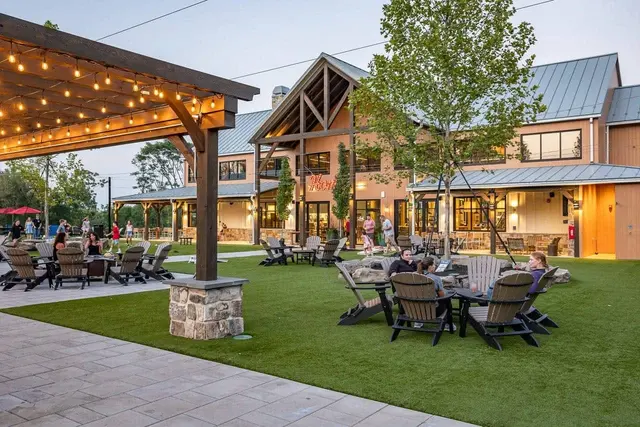
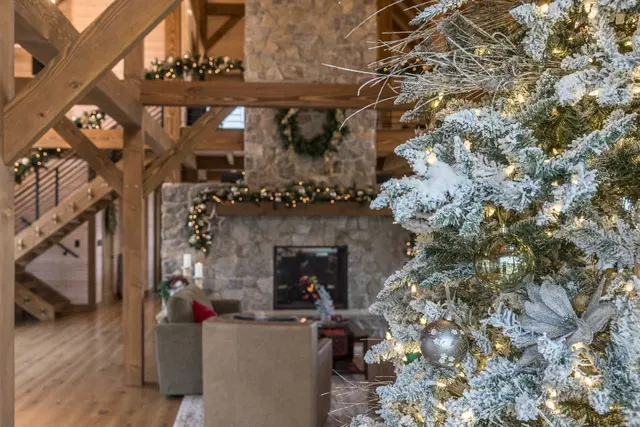
Related Hearthstone Projects
The terms "timber frame" and "post and beam" are often used interchangeably, but they represent distinct construction approaches with meaningful differences. Understanding these differences is essential for property owners considering either method.
Defining Timber Frame Construction
True timber frame construction uses heavy timbers joined with traditional wood-to-wood joinery—specifically mortise-and-tenon connections secured with wooden pegs. No metal fasteners connect the primary structural members. This method has been refined over centuries and creates structures of exceptional beauty and durability.
Key Characteristics of Timber Frame
Traditional Joinery: Each joint is precision-cut to create interlocking connections. The tenon (projecting piece) fits precisely into the mortise (receiving pocket), then is secured with hardwood pegs.
Engineered Design: Modern timber frames are fully engineered to meet building codes while honoring traditional methods. Every joint is calculated for structural loads.
Shop Fabrication: Frames are cut and test-fitted in a controlled shop environment before delivery to the site, ensuring precision and quality control.
Raising Event: The frame is assembled on-site in a coordinated "raising," often completed in a single day—a dramatic milestone in the construction process.
Post and Beam Construction
Post and beam construction also uses heavy timbers, but the connections rely on metal fasteners—steel plates, brackets, bolts, and lag screws. This approach is faster to design and build but lacks the refined craftsmanship of true timber framing.
Key Characteristics of Post and Beam
Metal Connections: Structural integrity comes from steel hardware rather than wood joinery. Connections may be concealed or exposed.
Simpler Engineering: Standard metal connectors have published load ratings, simplifying the engineering process.
Field Fabrication: Many post-and-beam structures are cut and assembled on-site rather than pre-fabricated in a shop.
Cost Efficiency: Less specialized labor and simpler joinery typically result in lower costs per square foot.
Which Approach Is Right for You?
Choose Timber Frame If:
- You value traditional craftsmanship and want connections that showcase woodworking skill
- You're building a legacy structure intended to last generations
- The exposed frame will be a primary architectural feature
- You appreciate the collaborative process of design and raising
- Budget allows for premium construction methods
Choose Post and Beam If:
- You want the look of heavy timber at a lower cost
- Speed of construction is a priority
- The structure is utilitarian rather than showcase
- Metal hardware doesn't detract from your aesthetic goals
Decision Checklist: Timber Frame vs. Post-and-Beam
Use this checklist to guide your decision:
| Factor | Timber Frame | Post-and-Beam |
|---|---|---|
| ☐ Budget allows 20-30% premium | ✓ Required | Not needed |
| ☐ Exposed joinery is important | ✓ Key feature | Hardware visible |
| ☐ Building for 50+ year legacy | ✓ Best choice | Adequate |
| ☐ Speed is critical priority | Slower | ✓ Faster |
| ☐ Future modifications likely | More complex | ✓ Easier |
| ☐ Resale value priority | ✓ Premium | Standard |
If you checked 4+ items in the Timber Frame column: Invest in true timber frame construction.
If you checked 4+ items in Post-and-Beam column: Post-and-beam may serve your needs.
Mixed results: Schedule a consultation to discuss your specific priorities.
The Hearthstone Approach
At Hearthstone Design Build, we specialize in true timber frame construction through our partnership with specialty timber fabricators. We believe the additional investment in traditional joinery delivers lasting value—both in structural performance and the character that only genuine craftsmanship provides.
That said, we recognize post-and-beam construction serves legitimate purposes. We're happy to discuss which approach best fits your project, budget, and long-term goals.
Continue reading: our timber frame guide.
Frequently Asked Questions
What is the main difference between timber frame and post-and-beam?
Timber frame uses traditional wood-to-wood mortise-and-tenon joinery secured with wooden pegs. Post-and-beam uses metal fasteners like steel plates, brackets, and bolts to connect the heavy timber members.
Is timber frame more expensive than post-and-beam?
Yes, timber frame typically costs more due to specialized labor, precision shop fabrication, and traditional joinery techniques. However, many consider the investment worthwhile for the superior craftsmanship and longevity.